Essential HVAC Maintenance Tips for Longevity and Performance
Maintaining your HVAC system is crucial for ensuring its longevity and optimal performance. A well-functioning HVAC system not only keeps your home comfortable but also helps you save on energy costs. Neglecting regular maintenance can lead to costly repairs and reduced efficiency. In this blog post, we will explore essential HVAC maintenance tips that every homeowner should follow to keep their systems running smoothly.
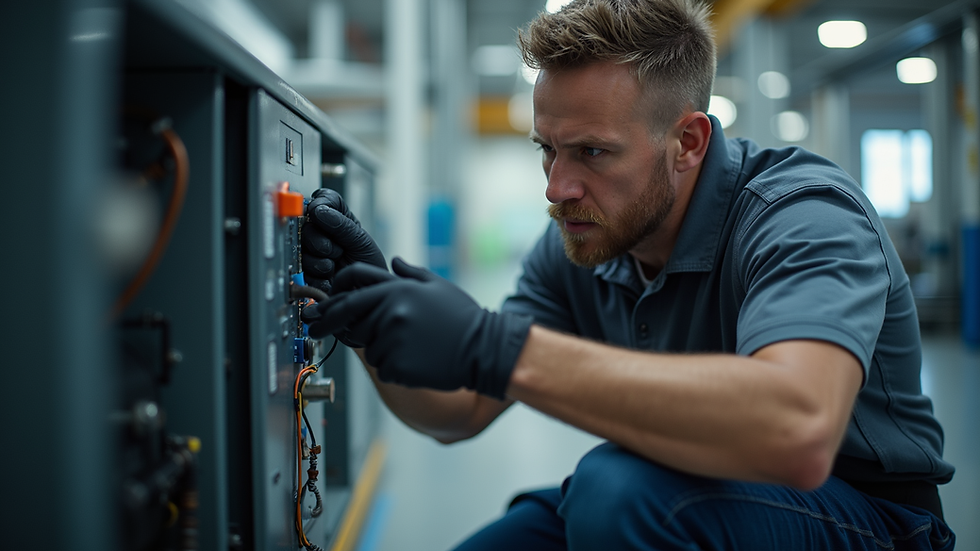
Understand Your HVAC System
Before diving into maintenance tips, it's important to understand the components of your HVAC system. An HVAC system typically consists of:
Heating Unit: This could be a furnace, heat pump, or boiler.
Cooling Unit: Usually an air conditioner or a heat pump.
Ventilation System: Ductwork that distributes air throughout your home.
Thermostat: The control system that regulates temperature.
Familiarizing yourself with these components will help you identify potential issues and understand the maintenance tasks required.
Regular Filter Replacement
One of the simplest yet most effective maintenance tasks is replacing your air filters regularly. Clogged filters can restrict airflow, making your HVAC system work harder and less efficiently. Here’s how to manage filter replacement:
Frequency: Check your filters monthly and replace them every 1-3 months, depending on usage and type.
Type of Filters: Use high-efficiency particulate air (HEPA) filters for better air quality and efficiency.
Signs of Clogging: If you notice reduced airflow or increased energy bills, it may be time to replace your filter.
Clean the Coils
Both the evaporator and condenser coils in your HVAC system can accumulate dirt over time. Dirty coils can hinder the system's ability to absorb and dissipate heat, leading to inefficiency. Here’s how to clean them:
Frequency: Inspect the coils at least once a year and clean them as needed.
Cleaning Method: Use a soft brush or a vacuum with a brush attachment to remove dirt. For tougher grime, a coil cleaner can be used.
Professional Help: If you're uncomfortable cleaning the coils yourself, consider hiring a professional.
Inspect Ductwork
Your ductwork plays a vital role in the efficiency of your HVAC system. Leaks or blockages can lead to significant energy loss. Here’s how to inspect and maintain your ducts:
Visual Inspection: Look for visible signs of wear, such as cracks or disconnected sections.
Sealing Leaks: Use mastic sealant or metal tape to seal any leaks you find.
Professional Duct Cleaning: Consider having your ducts professionally cleaned every few years to remove dust and debris.
Check the Thermostat
Your thermostat is the brain of your HVAC system. Ensuring it functions correctly is essential for maintaining comfort and efficiency. Here’s what to do:
Calibration: Make sure your thermostat is calibrated correctly. An inaccurate thermostat can lead to temperature inconsistencies.
Upgrade: If you have an older thermostat, consider upgrading to a programmable or smart thermostat for better control and efficiency.
Battery Replacement: If your thermostat is battery-operated, replace the batteries at least once a year.
Schedule Professional Maintenance
While there are many maintenance tasks you can handle yourself, scheduling professional maintenance is crucial. A qualified technician can perform a thorough inspection and tune-up of your HVAC system. Here’s what to expect:
Annual Check-Up: Schedule a professional inspection at least once a year, ideally before the heating or cooling season.
Comprehensive Service: Technicians will check all components, clean parts, and identify any potential issues before they become major problems.
Documentation: Keep records of all maintenance performed, as this can be beneficial for warranty claims and resale value.
Monitor System Performance
Keeping an eye on your HVAC system's performance can help you catch issues early. Here are some signs to watch for:
Unusual Noises: Listen for strange sounds like banging, rattling, or hissing, which could indicate a problem.
Inconsistent Temperatures: If some rooms are warmer or cooler than others, it may signal an issue with your system.
Increased Energy Bills: A sudden spike in your energy bills could indicate that your HVAC system is working harder than it should.
Maintain Outdoor Units
If you have an outdoor unit, such as a condenser or heat pump, it requires specific maintenance to ensure it operates efficiently. Here’s how to care for it:
Clear Surroundings: Keep the area around the unit clear of debris, leaves, and vegetation to ensure proper airflow.
Wash the Unit: Gently wash the exterior of the unit with a garden hose to remove dirt and grime.
Protect from Elements: Consider using a cover during the off-season to protect the unit from harsh weather conditions.
Insulate Your Home
Proper insulation can significantly impact your HVAC system's efficiency. Here are some tips to improve insulation:
Check Insulation Levels: Inspect your attic, walls, and floors for adequate insulation. If it's lacking, consider adding more.
Seal Windows and Doors: Use weather stripping or caulk to seal any gaps around windows and doors to prevent drafts.
Consider Energy-Efficient Windows: If you're in the market for new windows, look for energy-efficient options that can help reduce heating and cooling costs.
Use Ceiling Fans Wisely
Ceiling fans can help circulate air and improve comfort levels in your home. Here’s how to use them effectively:
Summer Setting: In the summer, set your ceiling fan to rotate counterclockwise to create a cooling breeze.
Winter Setting: In the winter, switch the fan to rotate clockwise to push warm air down from the ceiling.
Energy Savings: Using ceiling fans can allow you to set your thermostat a few degrees higher in summer and lower in winter, saving energy.
Invest in a Home Energy Audit
A home energy audit can provide valuable insights into your HVAC system's efficiency and overall energy use. Here’s what to expect:
Professional Assessment: A certified auditor will evaluate your home’s energy use and identify areas for improvement.
Recommendations: You’ll receive a report with recommendations for upgrades, repairs, and maintenance tasks that can enhance efficiency.
Long-Term Savings: Investing in energy efficiency can lead to significant savings on your utility bills over time.
Conclusion
Regular HVAC maintenance is essential for ensuring the longevity and performance of your system. By following these tips, you can keep your HVAC system running efficiently, save on energy costs, and maintain a comfortable home environment. Remember, proactive maintenance is always more cost-effective than reactive repairs. Take the time to care for your HVAC system, and it will reward you with years of reliable service.
Make a plan today to implement these maintenance tips and enjoy the benefits of a well-maintained HVAC system.

